Today's price
1,40 - 2,10 €/kg
Updated October 21, 2026
Aluminum is the most recycled metal in the world. Lightweight, corrosion-resistant and infinitely recyclable, its recycling requires 95% less energy than primary production. Bull Metal purchases aluminum in all forms: profiles, sheets, engine blocks, rims, offset plates and demolition aluminum.
International price on the London Metal Exchange (LME)
Rates in USD/ton. Our prices in €/kg account for exchange rates and quality.
Our purchases
Each type is purchased according to its purity and quality. Click to see the rate and characteristics.
Mixed Aluminum
Used aluminium and mixed parts from construction, workshops and dismantling
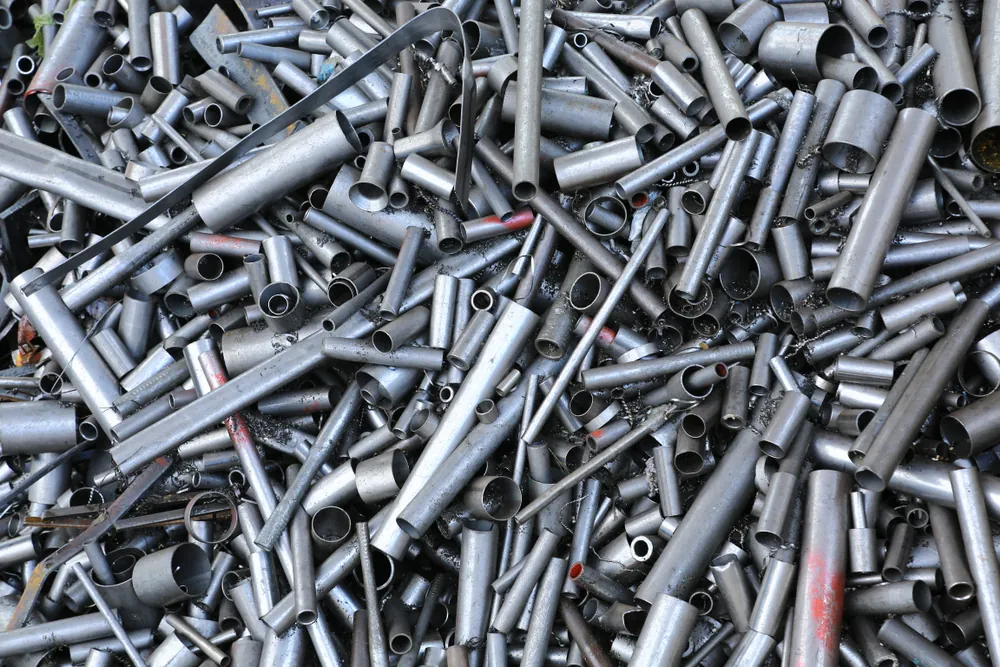
Mixed Aluminium includes different types of recovered aluminium that do not qualify for a homogeneous higher-grade category such as new aluminium sheet, aluminium extrusions, wheels or cast aluminium. Typical material includes pots, pans, old aluminium sheets, miscellaneous parts, vehicle body components and mixed aluminium offcuts. This scrap can be generated by tradespeople, renovation and demolition companies, maintenance contractors, garages, workshops and industrial sites, as well as from mixed factory offcuts and production scrap. Mixed aluminium may contain paint, coatings, fasteners or minor foreign materials. Its value therefore depends heavily on sorting and preparation: the cleaner and more aluminium-rich the load is, the better it can be recovered and recycled. At Bull Métal, aluminium grades are separated to ensure that each material receives the correct classification and value. Aluminium extrusions, demolition profiles, wheels, cast aluminium and clean new sheet offcuts should therefore be kept separate whenever they meet the requirements of those grades. Bull Métal tip: before delivery, remove as much steel, plastic, rubber and other non-aluminium material as possible. Simple sorting can sometimes move part of a mixed load into a higher-value aluminium grade.
1,50 €
/kg
Demolition Aluminium Extrusions / AGS Demolition
Old window, door and façade extrusions from renovation and demolition
Demolition Aluminium Extrusions, also known in the French scrap trade as AGS Demolition, mainly consist of old aluminium profiles recovered during building dismantling, renovation and demolition work. Typical sources include window frames, doors, glazed façades, shopfronts, conservatories, partitions and other architectural aluminium systems. This scrap is commonly generated by aluminium window installers, construction companies, façade contractors, glaziers, demolition contractors, renovation companies and building strip-out specialists, as well as from commercial and industrial refurbishment projects. Unlike clean new extrusion scrap, demolition aluminium has already been installed and may therefore be painted, powder-coated or anodised. It may also retain components from its original use, such as rubber seals, thermal-break strips or small fittings. Old aluminium window and door systems commonly combine extruded profiles with seals, hardware and thermal-break components. At Bull Métal, all glass must be removed before delivery. Removing larger steel parts, plastics, rubber and other foreign materials also helps produce a cleaner and more homogeneous scrap load. Bull Métal tip: when replacing windows, doors or façades, separate the aluminium profiles from glass and other construction waste directly on site. This makes sorting easier and helps ensure the material is classified correctly.
1,90 €
/kg
New Aluminium Sheet Scrap
Clean aluminium sheet offcuts and production scrap from manufacturing
New Aluminium Sheet Scrap mainly consists of clean aluminium sheet offcuts generated during manufacturing, cutting, punching, stamping and other sheet-metal production processes. Unlike mixed or old sheet aluminium, this material is generally recent, homogeneous and has seen little or no service. It is commonly generated by factories, sheet-metal workshops, fabricators, laser-cutting companies, automotive suppliers, industrial manufacturers and businesses processing aluminium sheet. Production offcuts, strips and blanking scrap can represent significant volumes when they are segregated directly at source. At Bull Métal, proper segregation is essential. Aluminium sheet should be kept as free as possible from steel, iron, plastic, rubber, wood and other metals. Extrusions, cast aluminium, wheels and old mixed aluminium are classified separately so that each scrap grade receives the correct valuation. Some industrial aluminium sheets may be painted, coated or surface-treated. Depending on the coating and the quantity involved, the material may require a different classification. For larger industrial loads, Bull Métal can assess the material to determine the appropriate grade. Bull Métal tip: for factories and professional workshops, separating aluminium sheet offcuts directly at the production line helps preserve a clean, homogeneous scrap stream and prevents high-quality production scrap from being downgraded to Mixed Aluminium.
1,60 €
/kg
Aluminium Alloy Wheels
Clean aluminium alloy wheels from cars and light commercial vehicles
Aluminium Alloy Wheels form a specific aluminium scrap grade valued for the consistency of their alloy composition. At Bull Métal, this category covers wheels from passenger cars and light commercial vehicles, with major foreign components removed. They are commonly generated by garages, tyre centres, dealerships, body shops, ELV dismantlers and fleet operators, as well as private vehicle owners. Scratched, bent, cracked, painted or coated wheels can still retain their scrap value. For recycling purposes, alloy quality and cleanliness are more important than cosmetic condition. At Bull Métal, tyres, wheel weights, valves and other foreign attachments must be removed. Plastic centre caps and other easily removable components should also be taken off whenever possible. Heavy-duty truck and semi-trailer aluminium wheels are excluded from our Alloy Wheels grade. Their alloy composition and manufacturing process may differ from conventional passenger-car wheels. At Bull Métal, they are purchased under our Mixed Aluminium category unless a specific grade is agreed for a homogeneous professional load. Bull Métal tip: garages, transport companies and vehicle dismantlers should separate light-vehicle and heavy-duty wheels at source to keep each aluminium stream correctly graded.
2,10 €
/kg
Cast Aluminium / Aluminium Castings
Engine casings, gearbox housings and aluminium castings
Cast Aluminium Scrap consists mainly of aluminium components produced by casting. Typical examples include engine casings, gearbox housings, cylinder heads, pump housings, mechanical casings and other cast aluminium components. This grade is commonly generated by the automotive, mechanical and industrial sectors, including garages, ELV dismantlers, vehicle recycling centres, repair workshops, industrial maintenance companies, manufacturers and foundry production scrap. Unlike aluminium sheet or extrusions, cast aluminium parts are generally thicker and have more complex shapes. Casting alloys often contain silicon, sometimes combined with other alloying elements, to provide good casting and mechanical properties. They therefore belong to a different aluminium family from extrusion or sheet grades. At Bull Métal, cast aluminium parts should be drained and cleared of major foreign materials whenever possible, including large steel attachments, plastics, rubber, oil and other components. Parts containing significant amounts of steel or other materials may require a different classification. Passenger and light-vehicle alloy wheels are graded separately as Aluminium Alloy Wheels. At Bull Métal, heavy-duty truck aluminium wheels are purchased under our Mixed Aluminium category rather than Cast Aluminium. Bull Métal tip: draining casings and removing large steel attachments before delivery produces a cleaner, easier-to-grade load. Aluminium castings should also be kept separate from zinc-based Zamak and magnesium alloys, which may look similar but belong to different scrap-metal grades.
1,40 €
/kg
Aluminium Lithographic Plates / Offset Printing Plates
Aluminium printing plates from offset printing and the graphic arts industry
Aluminium Lithographic Plates, commonly known as Offset Printing Plates, are aluminium sheets used in the offset printing process. The image is transferred onto the plate, increasingly through CTP (Computer-to-Plate) technology, before the plate is fitted to the printing press. Once its print run is completed, the aluminium plate becomes a valuable recyclable production scrap. This material is mainly generated by commercial and industrial printers, offset printing plants, graphic arts companies, publishing businesses and packaging printers. Large printing operations can generate regular quantities of homogeneous aluminium plate scrap. International scrap specifications classify clean used aluminium lithographic sheets as Tablet, generally consisting of 1000 and/or 3000 series aluminium alloys. New, clean and unused lithographic sheets are classified separately as Tabloid. At Bull Métal, offset printing plates should be kept separate from other aluminium grades and free from paper, cardboard, plastic, strapping and other foreign materials. Normal printing residues may be present on used plates, while heavily contaminated or mixed loads may require a different classification. Bull Métal tip: printing companies should collect lithographic plates in a dedicated container directly at the production area. Keeping them separate from paper, plastic and mixed aluminium helps preserve a clean, homogeneous and higher-quality scrap stream.
1,80 €
/kg
1050A Aluminium / Al 99.5
99.5% minimum aluminium: clean sheet, strip and production offcuts
1050A Aluminium, formerly known in France as A5, belongs to the 1000 series of commercially pure aluminium grades. It contains a minimum of 99.5% aluminium and is valued for its excellent formability, high corrosion resistance and good electrical and thermal conductivity. It is commonly supplied as sheet, strip, foil, wire, bar and formed components. Typical applications include general sheet-metal work, electrical equipment, heat-transfer components, chemical and food-processing equipment, packaging and other industrial applications requiring good formability and corrosion resistance. Scrap 1050A can therefore be generated by factories, sheet-metal workshops, stamping and cutting operations, electrical-equipment manufacturers, packaging companies and aluminium processors as production offcuts, sheet scrap, strips and rejected components. At Bull Métal, material sold as 1050A must be properly identified and kept homogeneous. It should be separated from 3000, 5000 and 6000 series aluminium as well as steel, copper, plastic and other foreign materials. Mixing different aluminium alloys may result in the load being reclassified. Bull Métal know-how: 1050A cannot always be reliably identified by appearance alone. For industrial scrap, keeping alloy markings, material certificates or production traceability helps ensure accurate grading. Bull Métal tip: if your factory regularly generates 1050A offcuts, segregate them directly at the production line. Clean, traceable single-alloy scrap is easier to grade and generally more valuable than mixed aluminium.
2,00 €
/kg
Clean New Aluminium Extrusions – 6060/6063
Clean new aluminium extrusions from manufacturing, mainly 6060/6063 alloys
Clean New Aluminium Extrusions consist mainly of clean extruded aluminium profiles generated as manufacturing, cutting and machining offcuts before being installed or used. In the French scrap trade, this grade is commonly referred to as AGS Neuf or, for clean unpainted profiles, AGS Blanc. These extrusions generally belong to the 6000-series aluminium-magnesium-silicon alloy family, particularly 6060 and 6063, which are widely used for extruded profiles. Typical forms include tubes, angles, flat bars, sections and complex aluminium profiles used in architectural, construction and industrial applications. This grade is commonly generated by extrusion manufacturers, aluminium fabricators, window and door manufacturers, metalworking companies, façade contractors, machining workshops and industrial production plants as cut-offs, rejected profiles and clean production scrap. At Bull Métal, new extrusion scrap must be clean and free from significant foreign materials. Profiles containing thermal-break strips, steel attachments, plastics, rubber or other contaminants should be separated or classified according to their preparation. Profiles recovered from previously installed windows, doors or façades are classified separately as Demolition Aluminium Extrusions. Bull Métal tip: segregating clean extrusion offcuts directly at the production line prevents contamination with demolition or mixed aluminium and helps preserve a clean, homogeneous and higher-value scrap grade.
2,10 €
/kg
Professional? Open your Pro Area
Annual contract, monthly billing, priority collection, negotiated rates.
Light silvery-gray color, shiny appearance
Very light — density 2.7 g/cm³ (3x lighter than steel)
Non-magnetic — magnet won't stick
Doesn't rust, good corrosion resistance
Scratches easily with a knife
Dull, short sound when struck
Tip
If in doubt about the nature of your metal, bring it to Bull Metal. Our team identifies it for free with our professional equipment (XRF analyzer, magnetic tests, certified weighing).
Joinery (windows, doors)
Automotive (blocks, rims)
Food packaging
Aeronautics
Construction (cladding, roofing)
Printing (offset plates)
Drop off your metal at our site in Ozoir-la-Ferrière or request free collection from 500 kg.
Our team identifies, sorts and weighs your metal on our certified weighbridges, in front of you.
You are paid immediately at today's price. Check or bank transfer, at your convenience.
Aluminum purchase at the best price in Seine-et-Marne. Bull Metal in Ozoir-la-Ferrière purchases all forms of aluminum: profiles, sheets, engine blocks, car rims, offset plates, demolition aluminum. Daily prices indexed to LME. Immediate cash payment. Free collection from 500 kg in departments 77, 93, 94 and 91.