Today's price
0,11 - 0,35 €/kg
Updated October 21, 2026
Scrap iron represents the largest volume of recycled metals in France. Bull Metal purchases all standardized categories: shearing scrap, heavy scrap, new offcuts, machining turnings and cast iron. Over 40% of steel produced in France comes from recycling — a virtuous circle to which we actively contribute.
International price on the London Metal Exchange (LME)
Rates in USD/ton. Our prices in €/kg account for exchange rates and quality.
Our purchases
Each type is purchased according to its purity and quality. Click to see the rate and characteristics.
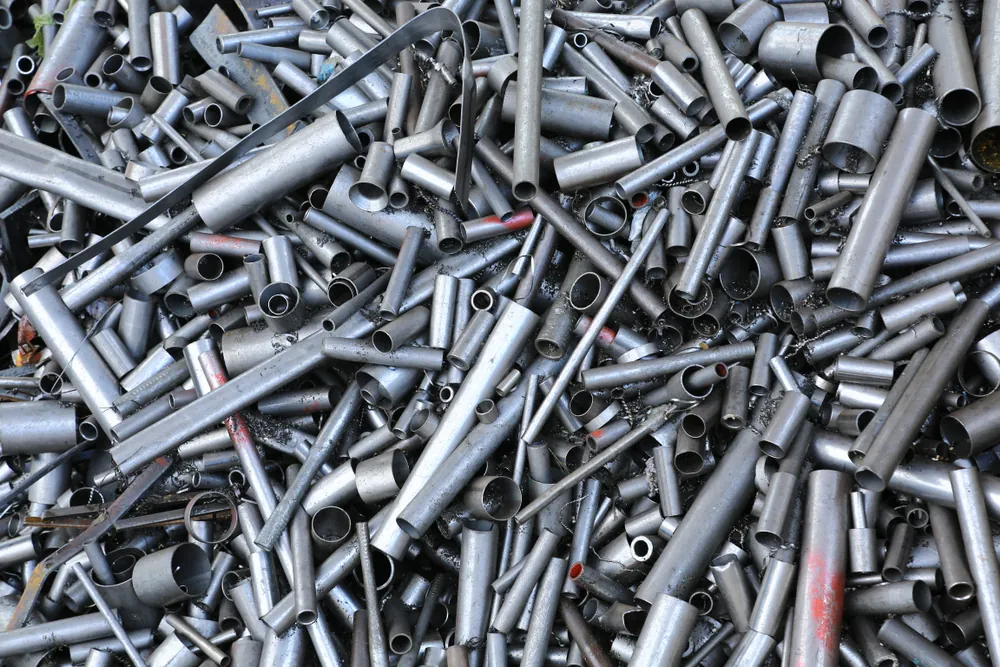
Mixed Ferrous Scrap
Steel scrap from construction sites, demolition, workshops and industrial production
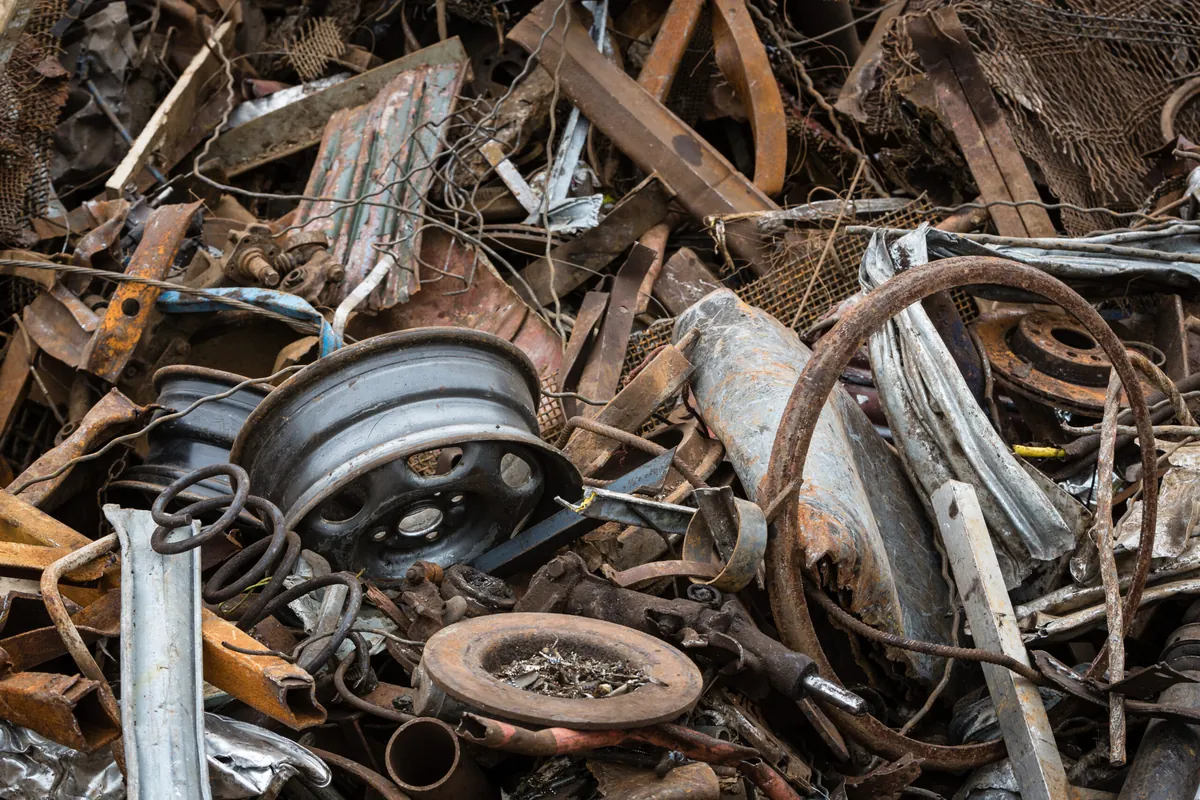
Mixed Ferrous Scrap includes a range of iron and steel scrap suitable for recovery as shearable or heavier ferrous material. Typical items include steel pipes, profiles, angles, beams, heavy sheet, mechanical parts, structural steel, racking systems and other steel components. This material is commonly generated by demolition and renovation contractors, building strip-out projects, construction sites, racking installers and dismantlers, metalworking workshops, factories and industrial facilities. It may also include workshop scrap, manufacturing offcuts, production scrap and industrial metal waste. Bull Métal also purchases ferrous scrap from clearance companies, site-recovery operators, scrap collectors and professional material recoverers, provided that significant non-metallic waste has been removed. At Bull Métal, Mixed Ferrous Scrap may include shearable steel, heavy ferrous scrap and various steel components. It is kept separate from Light Ferrous / Shredder Scrap (Platinage). Loads mainly consisting of very thin sheet, wire mesh, white goods excluding refrigeration appliances, water heaters or other lightweight shredder material are classified as Platinage. Wood, plastic, rubber, rubble, glass and other significant non-metallic materials should be removed whenever possible. Cast iron grades VF1 and VF2 are also separated when clearly identifiable. Large volumes and site collections: for significant quantities, Bull Métal can assess direct collection from construction sites, workshops or industrial facilities. Depending on volume, quality, load consistency and logistics, material may be sent directly to the appropriate recycling outlet, which can allow a more competitive valuation, particularly for clean and homogeneous heavy-gauge steel scrap. Bull Métal tip: on demolition and clearance projects, separate heavy and thick steel from lightweight sheet and shredder material at source. Good segregation helps preserve the value of the higher-grade ferrous scrap.
0,17 €
/kg
Light Ferrous Scrap / Shredder Feed
Light-gauge steel, thin sheet and metal items intended for shredding
Light Ferrous Scrap, commonly referred to in the French scrap trade as Platinage, consists of low-density iron and steel scrap that generally requires shredding before final recycling. Unlike denser mixed or shearable steel, this grade mainly consists of thin-gauge sheet and lightweight metal items. At Bull Métal, this category includes thin steel sheet, wire mesh, light metal containers, lightweight automotive body panels, light steel furniture and general collected ferrous scrap, as well as white goods excluding refrigeration appliances, such as washing machines, dishwashers and cookers. Conventional steel water heaters are also classified in this category when purchased as light ferrous scrap. Typical sources include clearance companies, scrap collectors, site-recovery operators, demolition and strip-out contractors, tradespeople, construction sites, racking installers and dismantlers, as well as workshops, factories and industrial facilities generating thin sheet offcuts, manufacturing scrap and other light ferrous waste. At Bull Métal, grading is based primarily on the actual nature and density of the load. Loads made up mainly of lightweight material intended for shredding are classified as Light Ferrous Scrap. Heavier pipes, profiles, thick sheet and denser steel components are classified separately as Mixed Ferrous Scrap. Significant amounts of wood, plastic, glass, rubble, rubber and other non-metallic materials should be removed whenever possible. Refrigeration appliances are excluded from our non-refrigerated white-goods category. Large volumes and site collections: for demolition, clearance, industrial and workshop volumes, Bull Métal can assess direct collection from the worksite or production facility and organise routing to the most suitable recycling outlet. Bull Métal tip: separating thin sheet and light shredder material from heavier steel directly on site helps keep each ferrous grade correctly classified and valued.
0,11 €
/kg
Cast Iron Brake Discs / VF1
Clean, dense mechanical cast iron mainly recovered from braking systems
VF1 Cast Iron is a clean, dense grade of mechanical cast iron. At Bull Métal, this category mainly consists of cast iron brake discs (brake rotors) recovered from passenger cars, light commercial vehicles and other automotive applications. Conventional brake discs are generally manufactured from grey cast iron, a material widely used for its wear resistance, vibration-damping properties and ability to withstand demanding braking temperatures. This scrap is commonly generated by garages, automotive repair centres, dealerships, ELV dismantlers, vehicle recycling centres, truck workshops, fleet maintenance companies and automotive dismantling businesses. At Bull Métal, VF1 brake discs should be delivered clean and free from significant foreign components. Brake pads, calipers, plastics and other attached materials should not be mixed with the discs. Some modern vehicles use composite or bi-metal brake discs, combining a cast iron friction ring with aluminium or other materials. These may require separate assessment and should not automatically be treated as homogeneous VF1 cast iron. For garages, ELV centres, workshops and fleet operators generating significant quantities of used brake discs, Bull Métal can assess larger loads and organise the most suitable recycling route. Bull Métal tip: keep clean brake discs separate from mixed ferrous scrap and lower-grade mixed cast iron. A homogeneous load of clean brake rotors is easier to identify and correctly grade as VF1.
0,25 €
/kg
Old Cast Iron / VF2
Old grey cast iron from buildings, heating systems and heavy equipment
Old Cast Iron / VF2 mainly consists of old grey cast iron recovered from buildings, heating systems, renovation and demolition work. In the French scrap trade, VF2 is traditionally associated with old building cast iron, while cleaner mechanical cast iron such as brake discs is generally graded separately as VF1. Typical material includes cast iron radiators, cast iron bathtubs, wood-burning stoves, fireplace plates, heating components and other heavy cast iron items recovered from older buildings and installations. This scrap is commonly generated by demolition and strip-out contractors, renovation companies, heating contractors, plumbers, clearance companies, site-recovery operators and professional scrap collectors, as well as from industrial and commercial building refurbishment. At Bull Métal, VF2 is kept separate from Mixed Ferrous Scrap and VF1 brake-disc cast iron. Material should consist mainly of cast iron, with large steel attachments, wood, plastic, rubber, masonry and other foreign materials removed whenever possible. Large or bulky cast iron items may need to be broken down before further processing and transport, which is why this grade is commonly referred to in French as “fonte à casser.” Large volumes and site collections: for significant renovation or demolition projects, Bull Métal can assess direct collection of cast iron radiators, bathtubs and other heavy cast iron from the worksite and arrange the appropriate recycling route. Bull Métal tip: keep old building cast iron separate from steel scrap and clean mechanical cast iron. Homogeneous loads are easier to identify, grade and value correctly.
0,17 €
/kg
Mixed Metal Equipment / Ferrous-Attached Scrap
Tools, machinery and equipment combining steel with non-ferrous metals
Mixed Metal Equipment / Ferrous-Attached Scrap covers tools, machinery, parts and equipment combining iron or steel with non-ferrous metals such as copper, aluminium, brass or stainless steel. These items require additional sorting or processing to recover the different metals they contain. Typical material includes power tools, drills, machinery, small industrial equipment, electrical and electronic devices, technical assemblies and electric scooters with the lithium battery removed, as well as other mixed-metal equipment. This material is commonly generated by tradespeople, maintenance companies, workshops, garages, factories, industrial sites, demolition and strip-out contractors, clearance companies and professional scrap collectors. It may include workshop scrap, obsolete machinery, replaced equipment, industrial metal waste and equipment recovered during renovation or site clearance projects. At Bull Métal, lithium batteries must be removed before equipment is accepted in this grade. Lithium-ion batteries can create a serious fire and explosion hazard if crushed, punctured or damaged during waste handling and recycling. Power tools and electric mobility equipment such as scooters are among the common products containing these batteries. Removable batteries should be separated before delivery. If a battery is built in, damaged, swollen or difficult to remove safely, the equipment should be reported to Bull Métal rather than forcibly dismantled. The value of mixed metal equipment depends on its composition, including the amount of copper, aluminium and other recoverable non-ferrous metals, as well as steel, plastics, motors, circuit boards and other components. Bull Métal tip: remove lithium batteries and separate easily recoverable high-value metals when practical. Complex equipment does not always need to be fully dismantled and can be graded according to its overall composition.
0,35 €
/kg
Professional? Open your Pro Area
Annual contract, monthly billing, priority collection, negotiated rates.
Magnetic — a magnet sticks firmly
Rusts in contact with moisture (red-brown oxide)
Relatively heavy (density 7.87 g/cm³)
Dark grey color when clean
Resonant metallic sound when struck
Distinguished from stainless steel by rust and magnet
Tip
If in doubt about the nature of your metal, bring it to Bull Metal. Our team identifies it for free with our professional equipment (XRF analyzer, magnetic tests, certified weighing).
Construction (beams, reinforcement)
Automotive (bodywork, chassis)
Appliances (washing machines, ovens)
Metal furniture
Tools and industrial machines
Fences and gates
Drop off your metal at our site in Ozoir-la-Ferrière or request free collection from 500 kg.
Our team identifies, sorts and weighs your metal on our certified weighbridges, in front of you.
You are paid immediately at today's price. Check or bank transfer, at your convenience.
Scrap iron and steel purchase in Ozoir-la-Ferrière (77). Bull Metal purchases all scrap categories: shearing, heavy, new offcuts, turnings, cast iron. Skip placement on site. Crane truck removal. Immediate cash payment. Professional service for construction and industry in Seine-et-Marne.